Seeing what’s next—and making it actionable.
Vision only works when people can understand it, align around it, and build from it.
My approach often turns foresight, long-lead product thinking, and immersive scenario-building into future ideas people can touch, discuss, and act on.
Ford Moonshot — designing the future of mobility as a shared vision
Ford needed a shared understanding of the future—something teams could see, align around, and build from.
I helped lead a long-horizon effort to extend Ford’s view from five years to fifteen. We started with signals, emerging technologies, cultural shifts, and changing customer expectations. From there we built plausible future scenarios—not as abstract strategy language, but as tangible worlds teams could enter and evaluate.
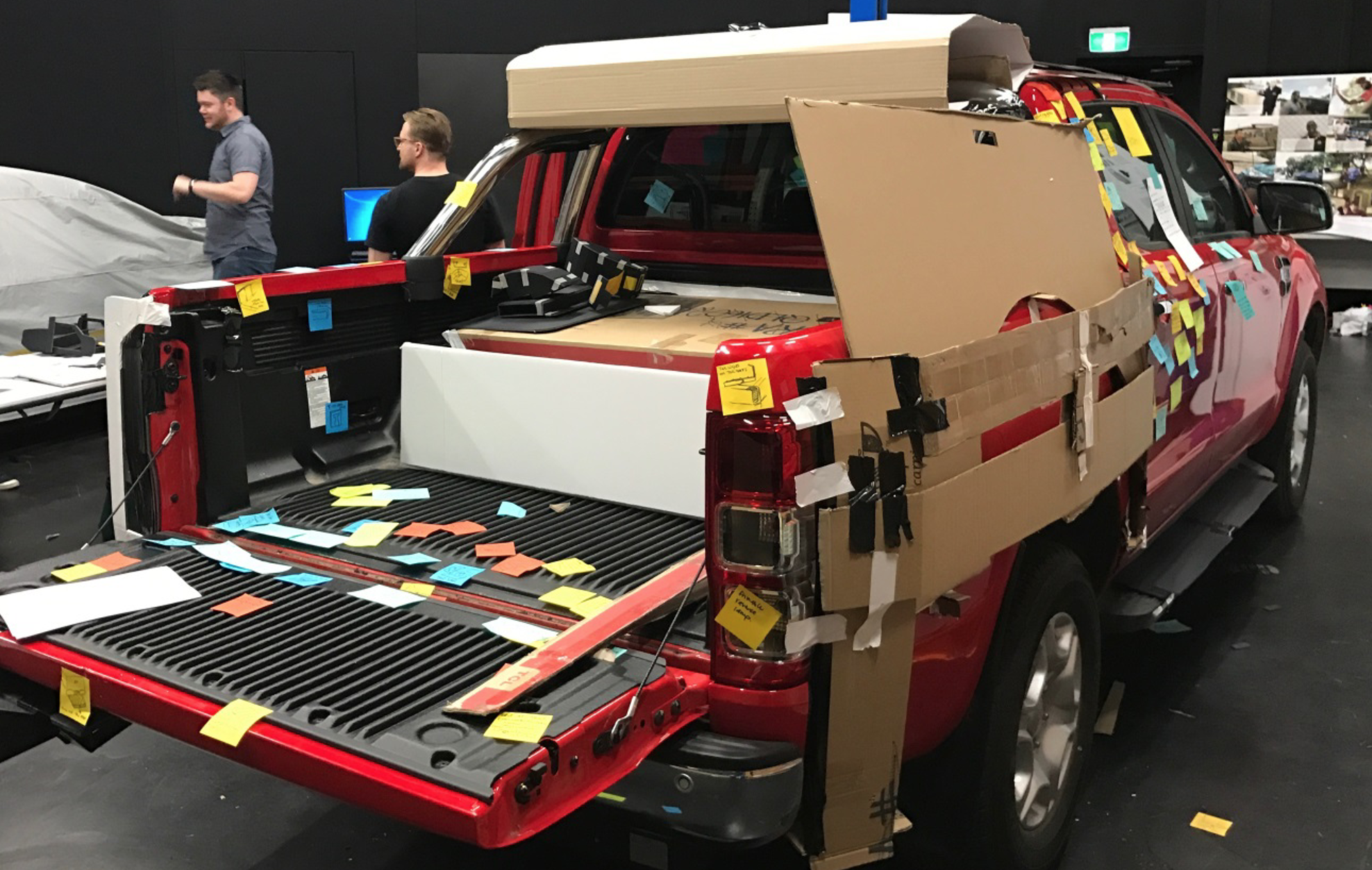
Instead of stopping with decks, we created immersive spaces, full-scale experiences, prototypes, and artifacts. Leaders and teams did not just hear about the future. They experienced it together. That created shared understanding, stronger conversation, and a practical North Star for real programs.
Signals, scenario building, and future customer context
Future ideas turned into immersive experiences and prototypes
Influenced major vehicle programs and strategic thinking across the business
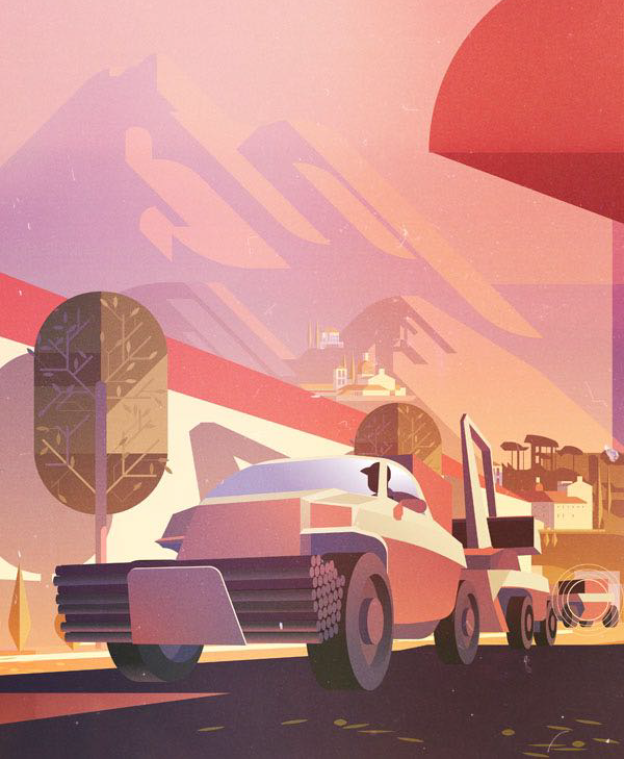
Future thinking only matters if it leads to real decisions. At Ford, I built a system that connected long-range foresight to real vehicle programs.
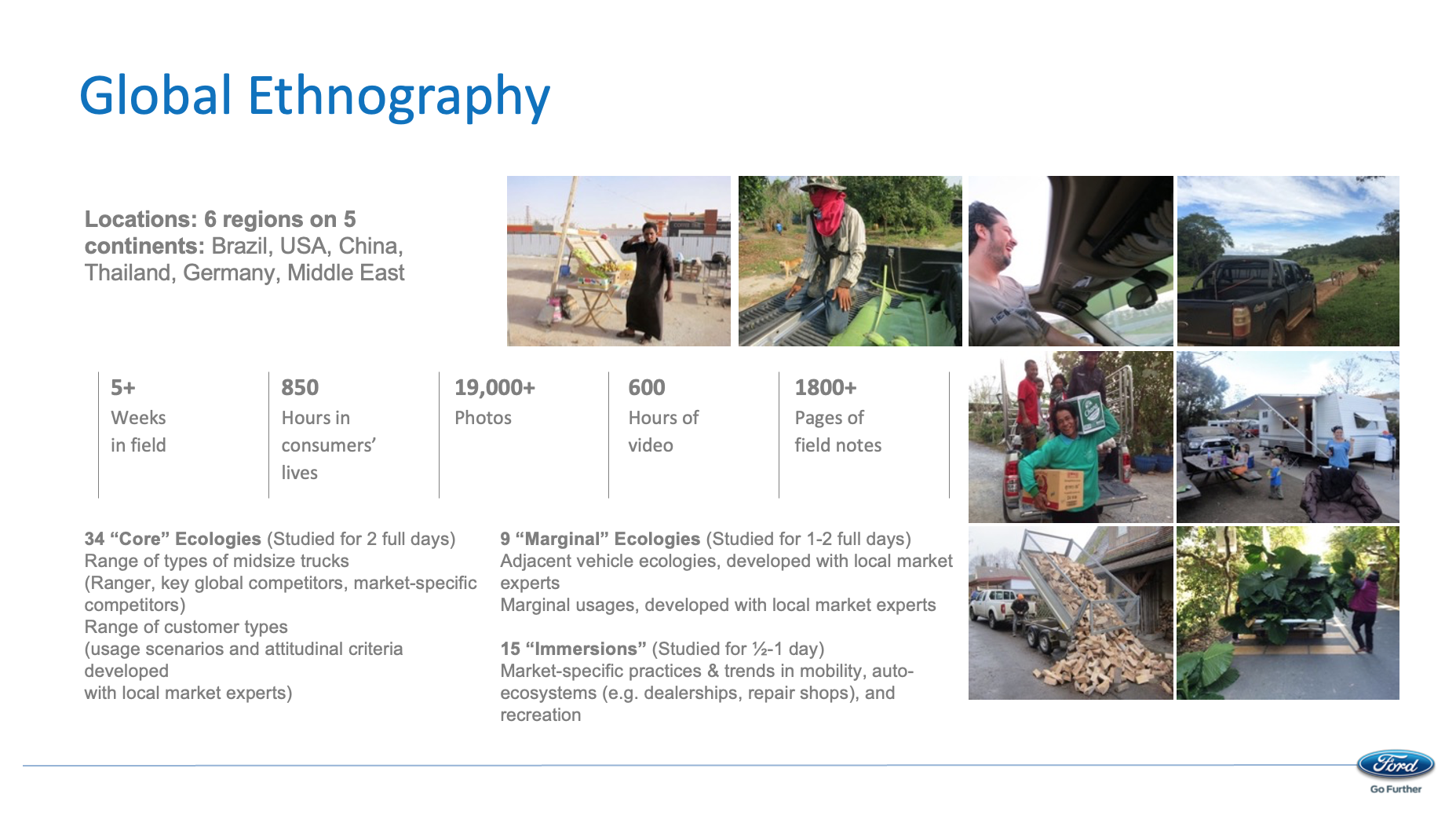
Understanding real lives before predicting future needs.
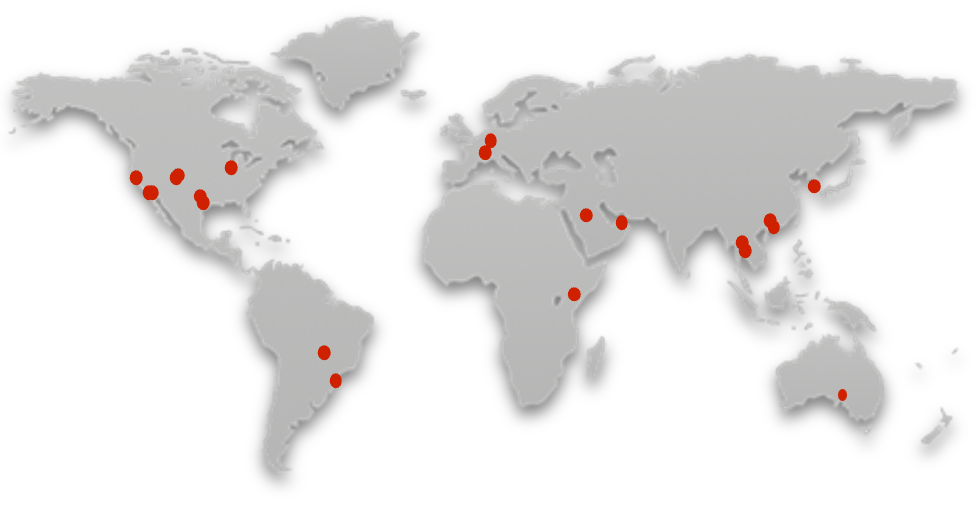
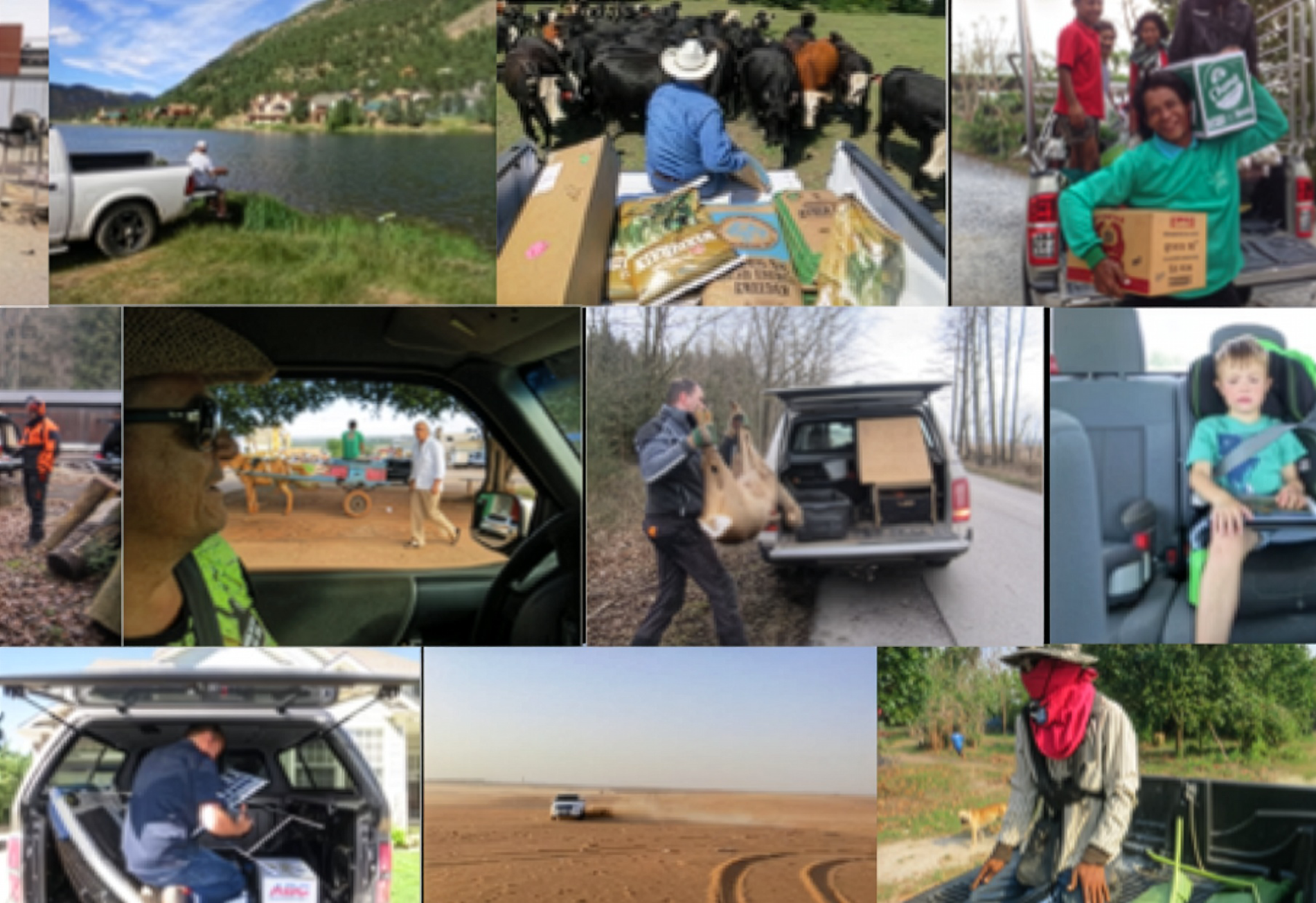
I conducted global research to understand how people actually use trucks—across environments, cultures, and real-world constraints.
Translating insight into four plausible futures.
These scenario explorations helped teams move beyond incremental planning and discuss tradeoffs, opportunities, and meaning inside future worlds that felt real enough to evaluate. They were projected in an immersive space on a 10-foot-high by 25-foot-wide wall with immersive sound to help participants really feel and live these visions of the future.
These insights were translated into four future scenarios—each representing a different way the world could evolve and how trucks would need to respond.
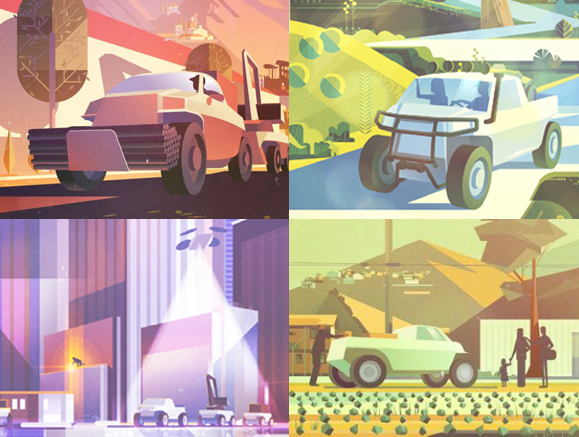
These videos were projected in an immersive space on a 10-foot-high by 25-foot-wide wall with immersive sound to help participants really feel and live these visions of the future.
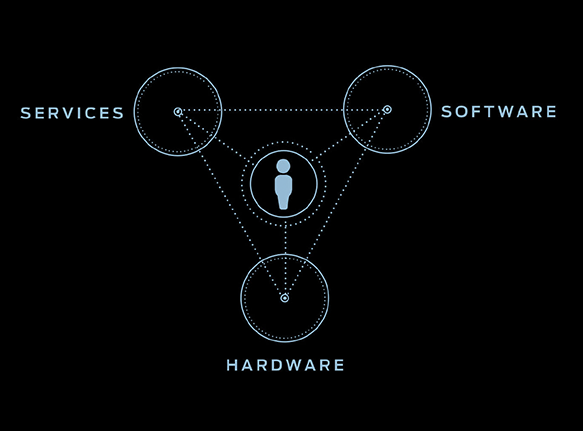
Connecting services, software, and hardware into one system.
I introduced a holistic model—integrating services, software, and hardware into a unified system that could solve customer problems more effectively than isolated solutions.
Turning long-range thinking into real vehicle direction.
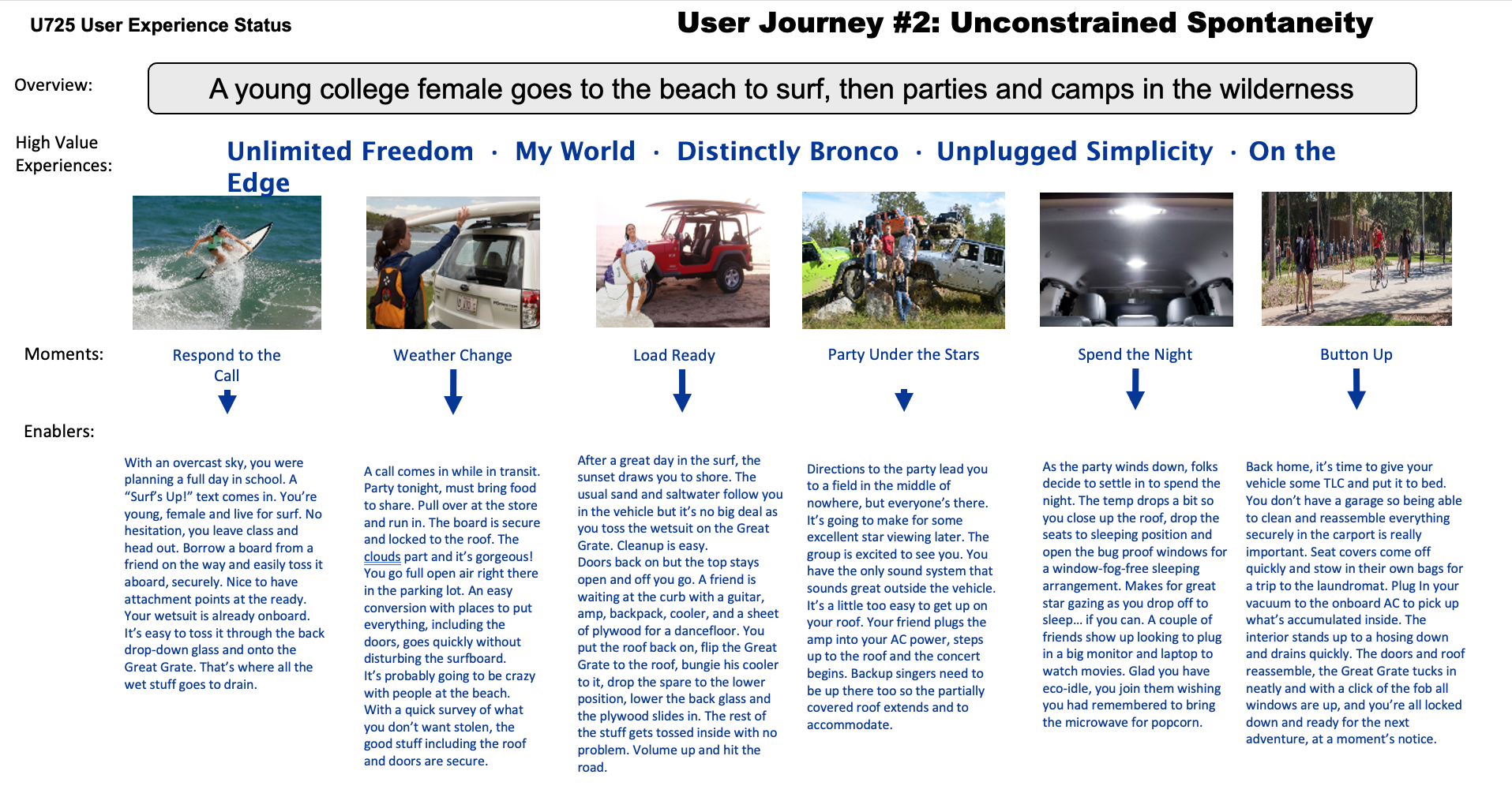
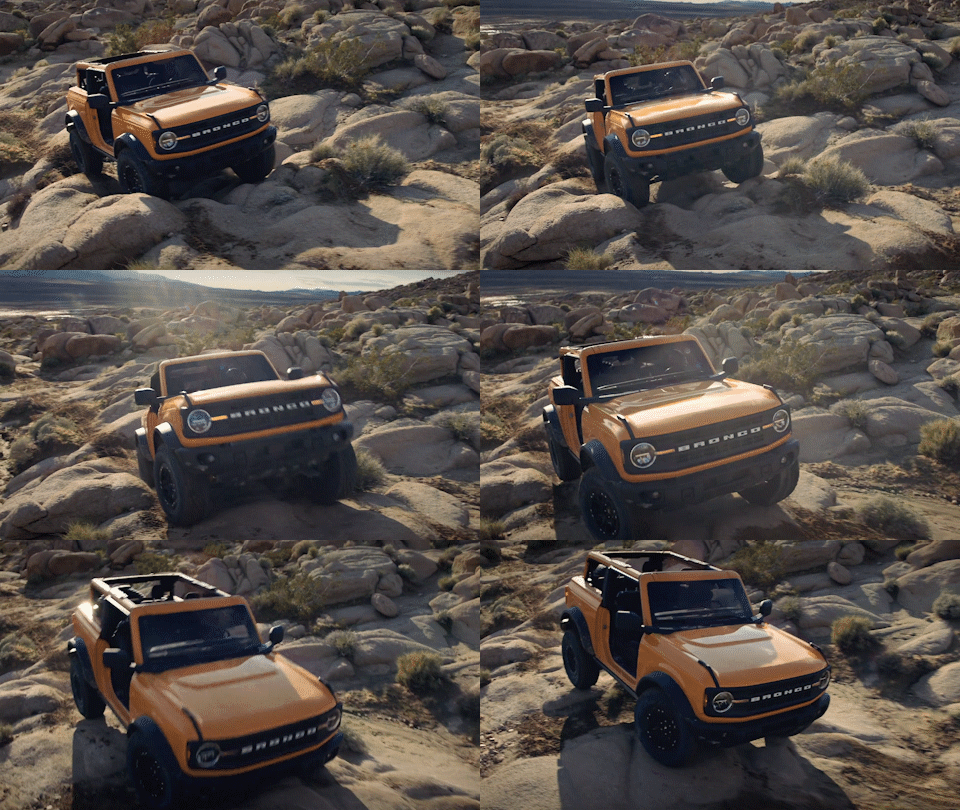
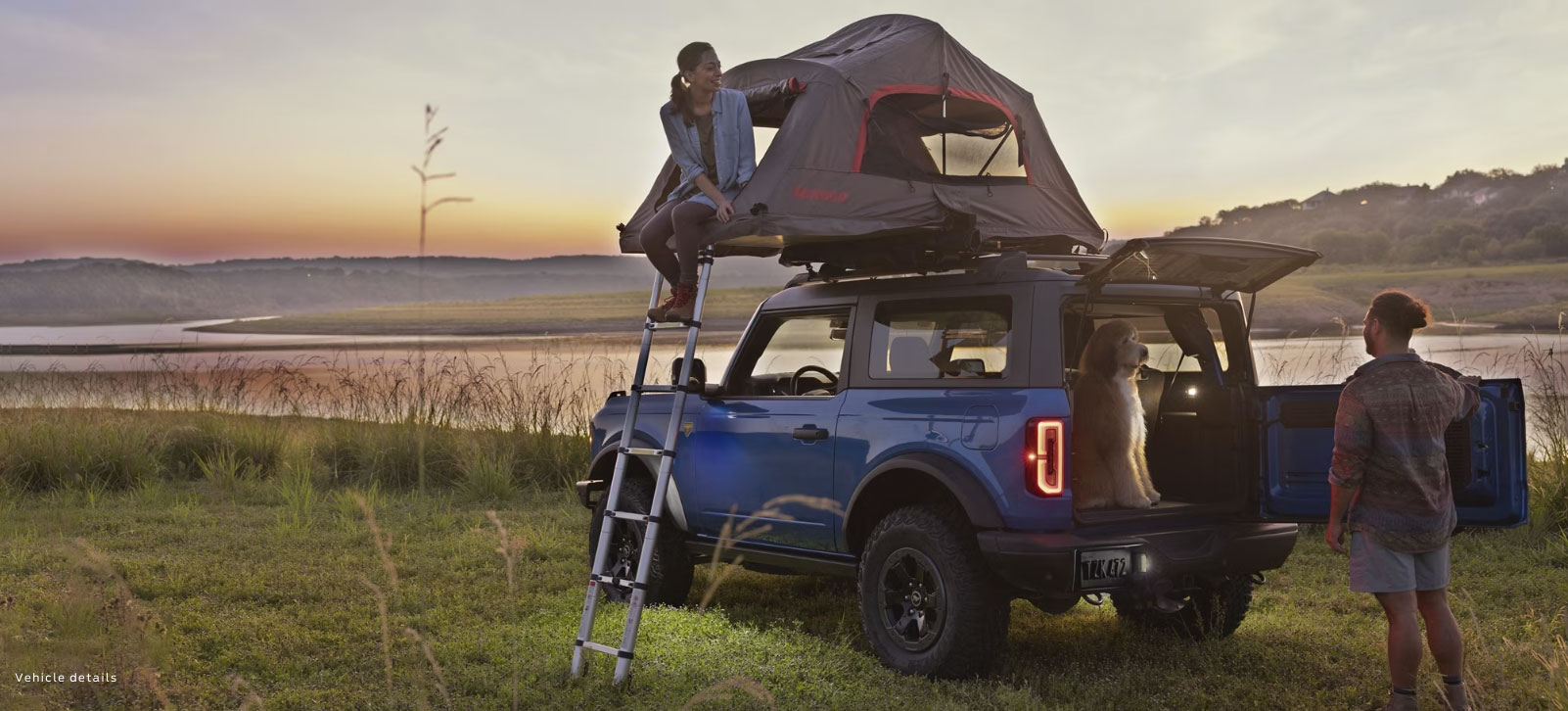
This work directly informed real vehicle programs—including the Ford Bronco—where future scenarios were translated into tangible features and experiences.
A future teams could build toward
Vision became useful when teams could understand it clearly enough to act on it.
Proof beats abstraction
Immersive environments and prototypes made strategy believable, discussable, and actionable.
Shared understanding changes behavior
When people can see the same future, cross-functional alignment becomes much easier.