Designing for imagination—with discipline underneath it.
Play is not separate from strategy. It’s how people connect—instantly and emotionally—with what you create.
Play is one of the most serious tools in innovation because it reveals how people connect, trust, and understand before they can fully explain why.
Designing for resonance, delight, and intuitive emotional clarity
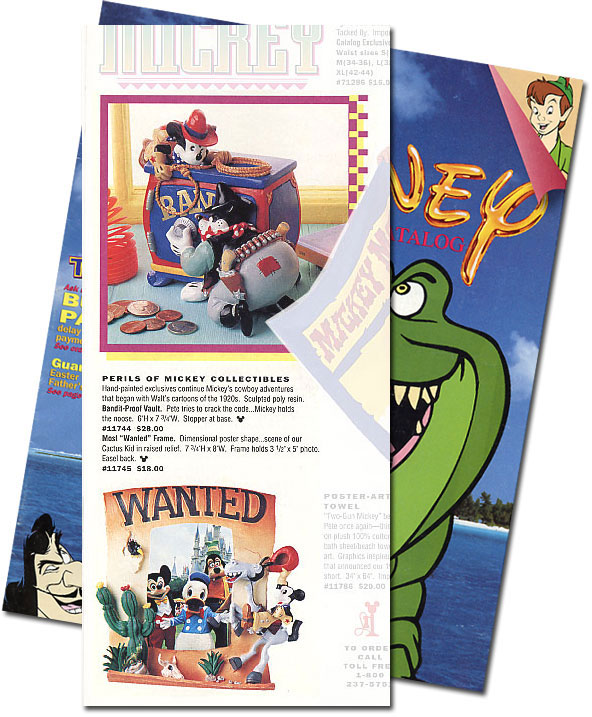
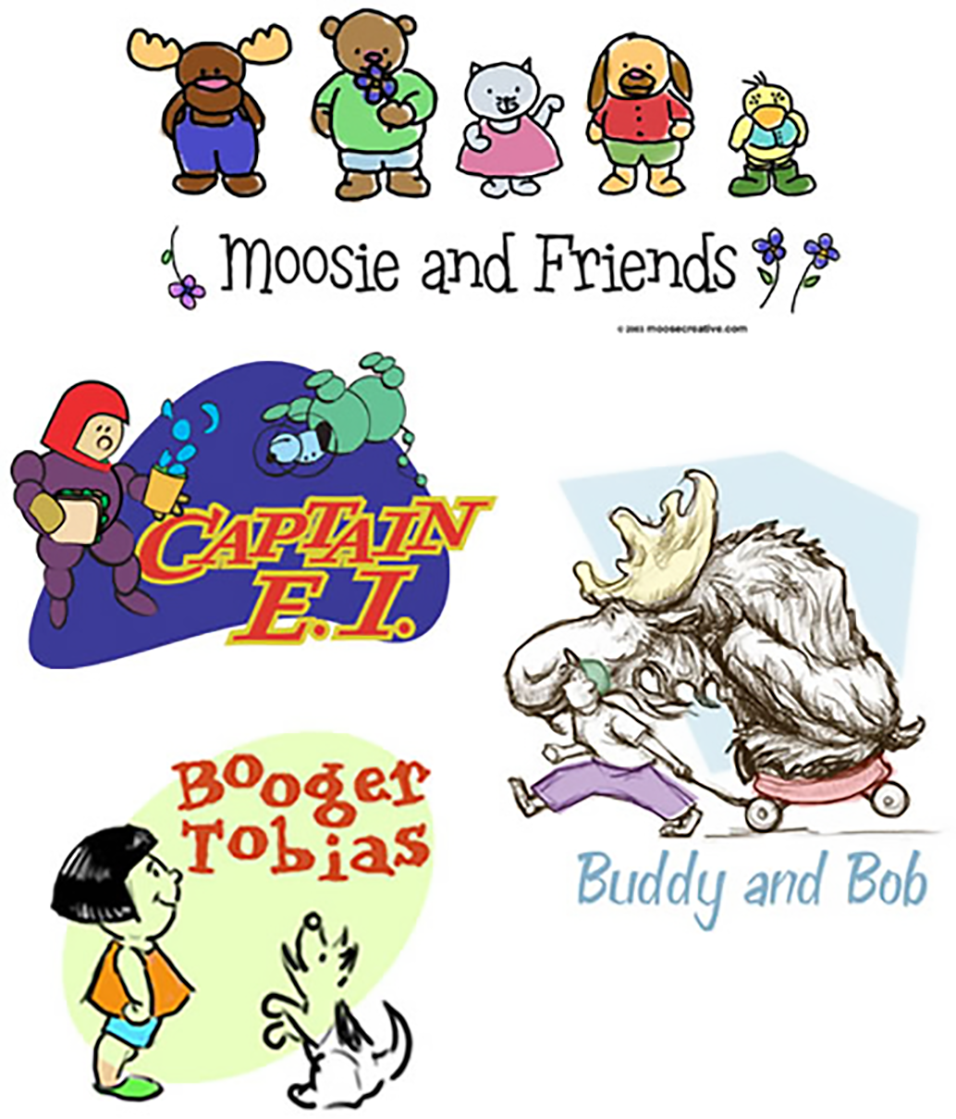
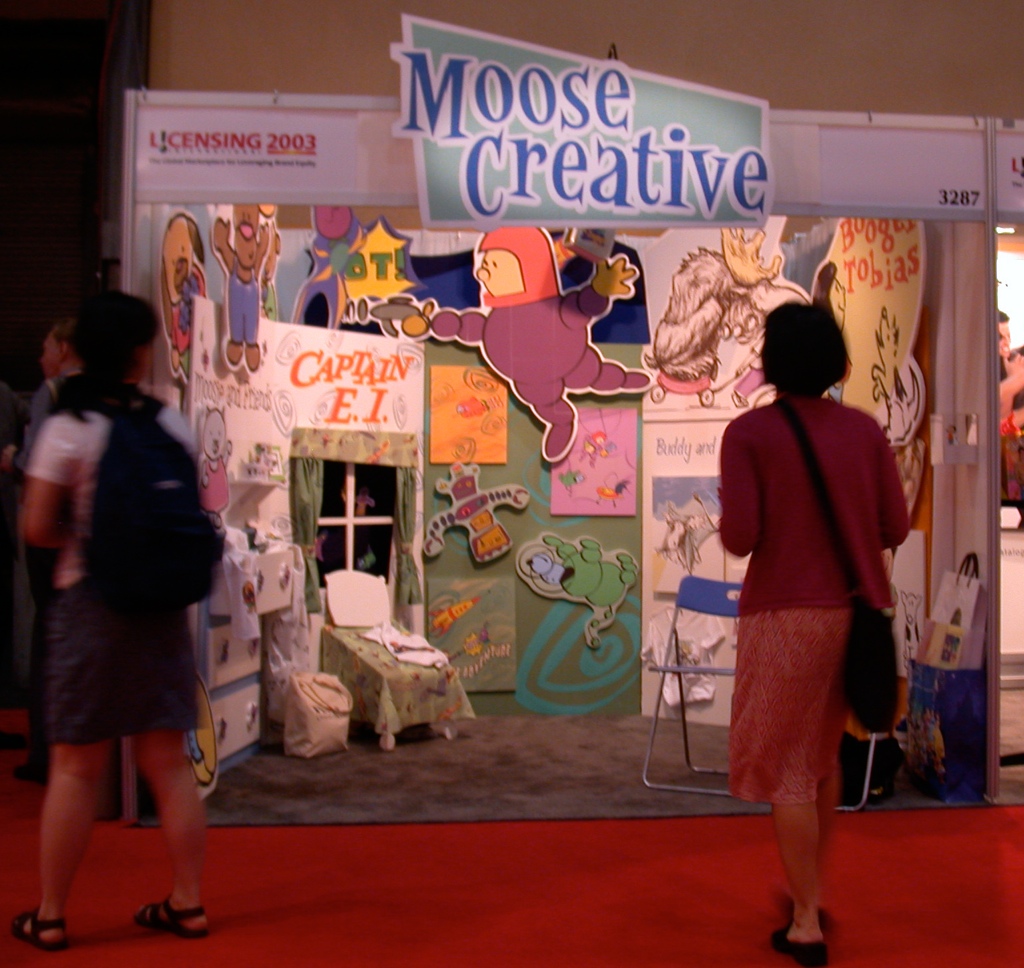
Designing for children and families requires extraordinary discipline. Product lines often need more than a year of signal prediction before launch. They depend on deep empathy for what will resonate, a strong storytelling instinct, and the ability to create a vision other creators can understand and follow.
That work spans more than the object itself. It includes packaging, environment, promotion, and product expression. The design has to communicate immediately—across age, geography, and culture—without needing explanation.
That is why I treat play as a serious innovation capability. Designing for children’s products taught me to work well ahead of the market, anticipate emotional resonance, and create worlds that feel instantly understandable across ages and cultures.
Anticipating where the market and emotional resonance will be at launch
Creating a clear vision of success other teams can build toward
Designing delight that can connect across age, nationality, and culture

Understanding what will land emotionally
Good play design meets people at just the right emotional resonance and makes the experience feel easy, immediate, and inviting.
Story across product, packaging, and environment
When form, narrative, and promotional expression support the same idea, products feel more alive and memorable.
A vision others can design toward
Play work often requires giving teams a clear, emotionally understandable future they can align around regardless of culture or geography.
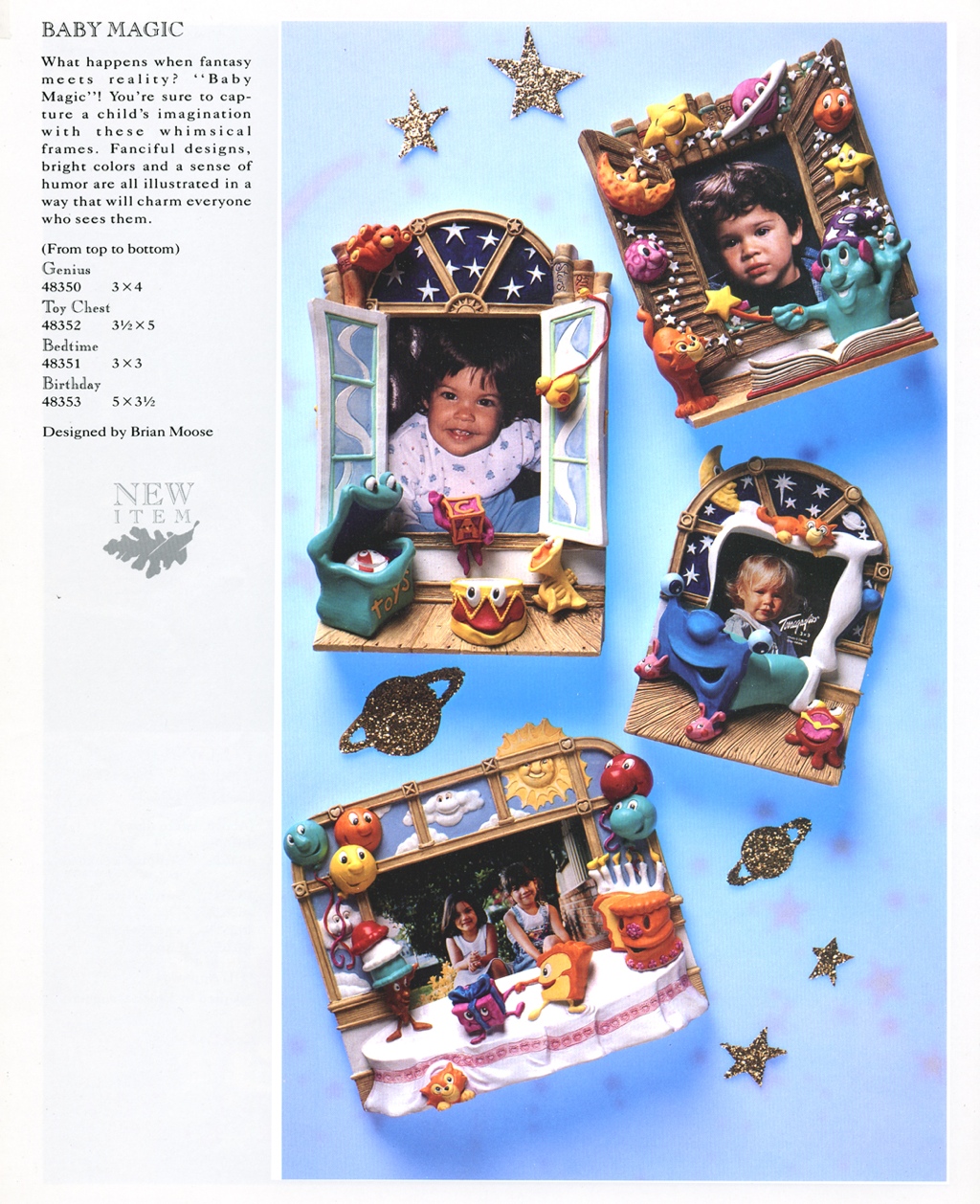
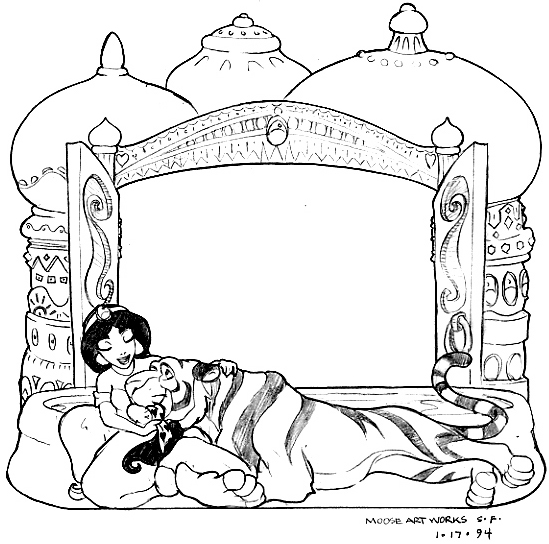
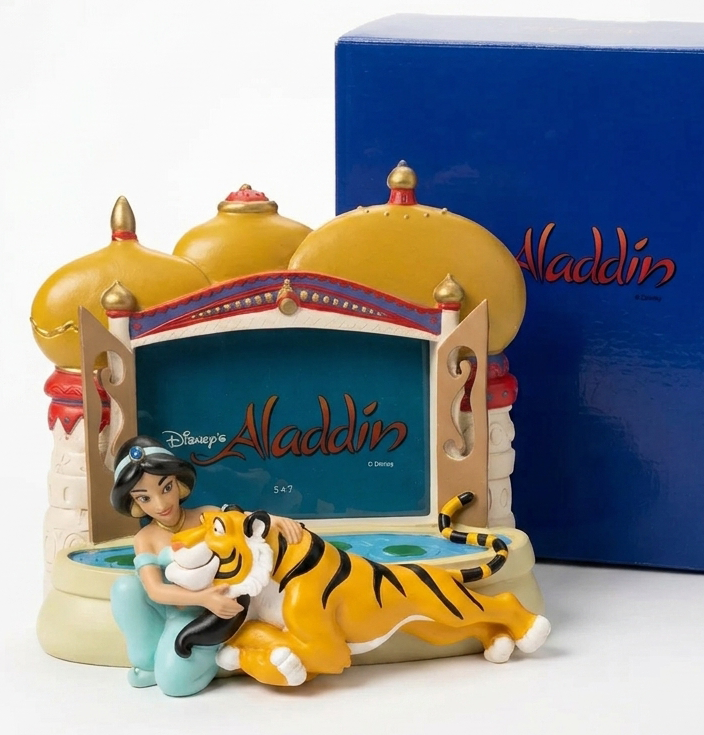
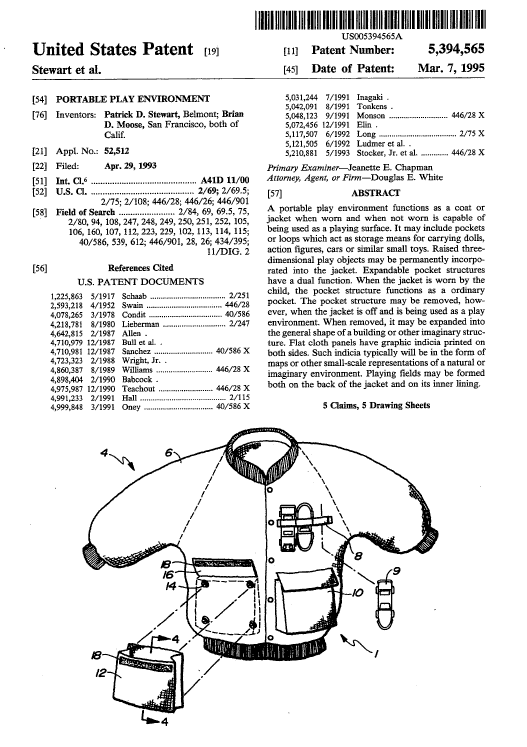
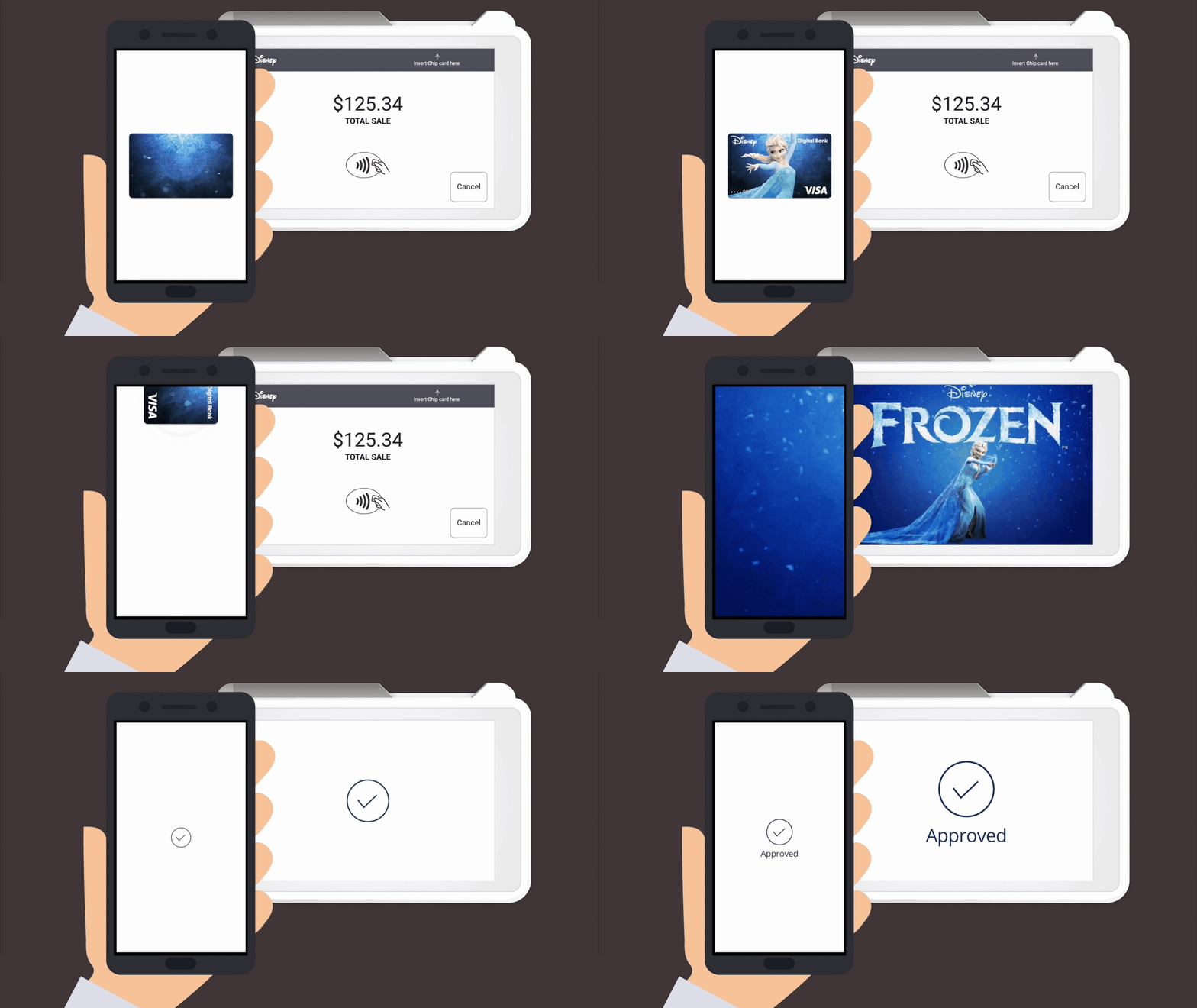
From children’s products to playful product concepts inside larger organizations.
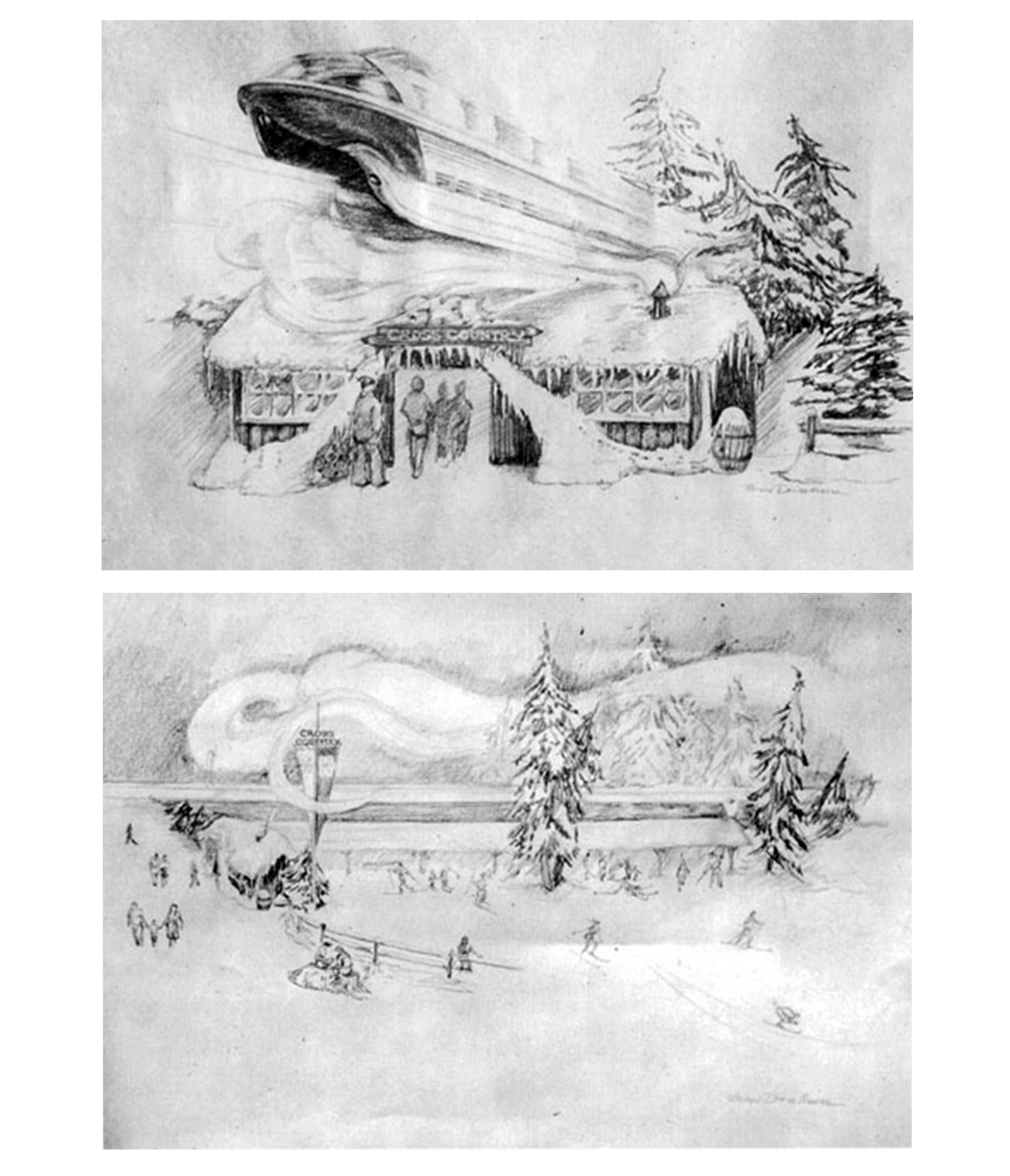
This same sensibility also shaped work such as Visa’s Money Monster app—where play and delight were used to help people form a more intuitive sense of comfort and ownership around personal data. Or this point of sale concept developed for Disney while at Visa.
Play, in that sense, is not whimsy. It is a method for making unfamiliar ideas emotionally legible.